What is drip tape?
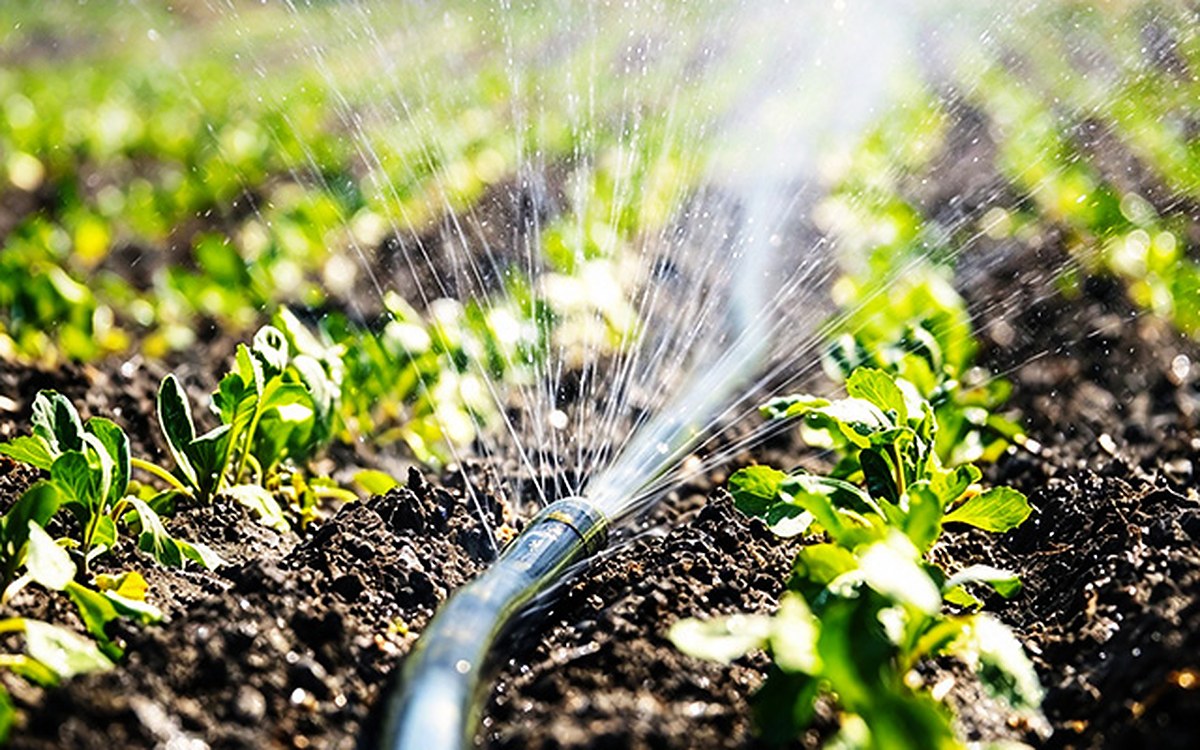
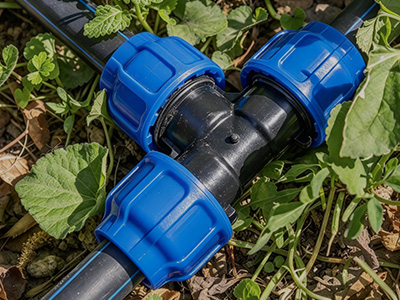
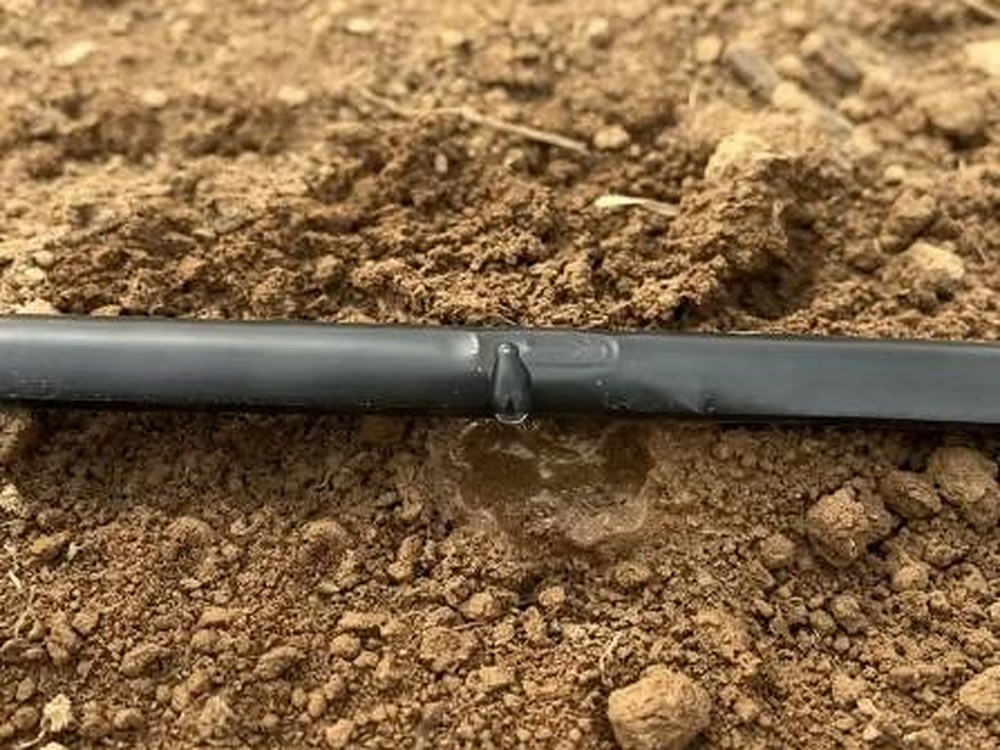
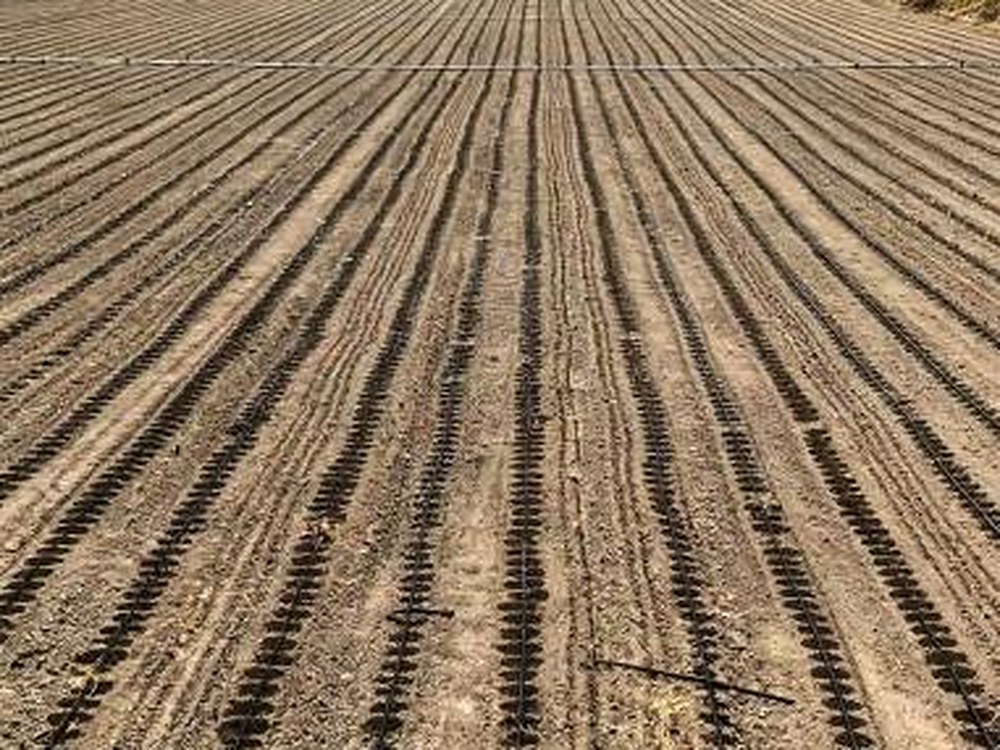
Drip tape is a thin-walled plastic irrigation tape with built-in emitters. It delivers water slowly and directly to the crop root zone, and is widely used in vegetable fields, orchards, greenhouses and field crops.
Advantages of drip tape
- Water saving — water goes straight to the root zone, cutting evaporation and runoff and raising water-use efficiency.
- Even discharge — built-in emitters keep output stable along the whole line, so the crop grows uniformly.
- UV and ageing resistance — dedicated raw material withstands sun exposure and ageing, with stable performance in open fields.
- Anti-clogging design — a well-designed flow path lowers the risk of blockage and reduces maintenance.
- Labour saving — pairs with automatic irrigation systems, cutting hand watering and labour cost.
- Custom specifications — wall thickness, emitter spacing and flow rate can be tailored to the crop and soil.
- Wide application — vegetables, fruit trees, field crops and greenhouses.
How to choose the right drip tape
Selection depends on the crop variety, soil type, water source and field pressure. As a source factory, SHP can customise drip tape to match your irrigation plan.